

Understanding Obesity
what is
Obesity?
Obesity is a chronic, complex disease characterized by excessive fat accumulation that can impair health, physical function, and quality of life.
Obesity is associated with a higher risk of type 2 diabetes, cardiovascular disease, and several types of cancer. It may also impair bone strength and reproductive health.
Diagnosis of Obesity
1. Body Mass Index (BMI)
1. Body Mass Index (BMI)
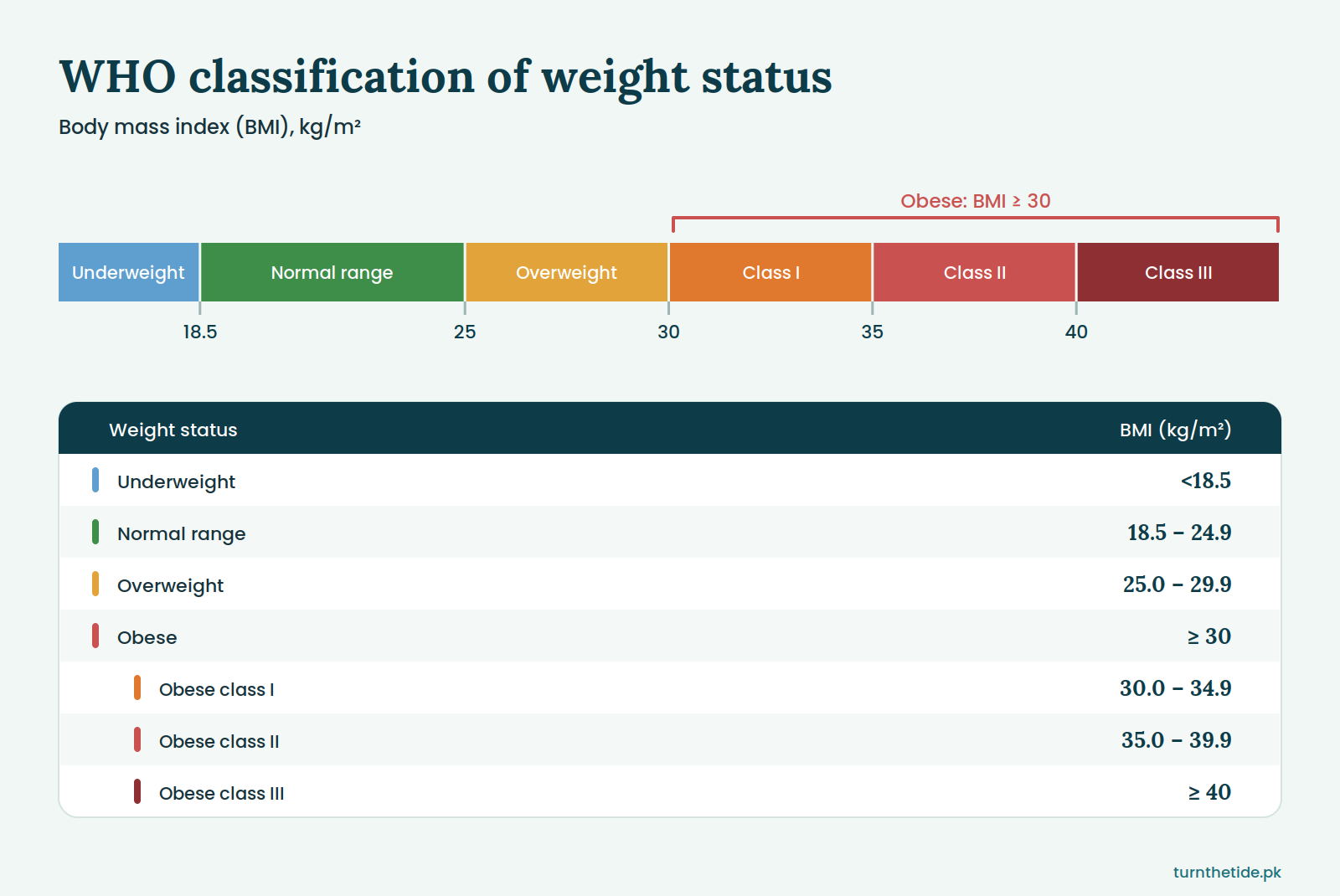
- Overweight: BMI of 25–29.9 kg/m²
- Obesity: BMI of 30 kg/m² or higher
2. Waist Circumference
2. Waist Circumference
- • Men: Less than 90 cm (35 inches)
- • Women: Less than 80 cm (31.5 inches)
Is Obesity My Fault?
It’s not your fault — understanding the causes is the first step toward change
High Calorie Diets
High Calorie Diets
Physical Inactivity
Physical Inactivity
Genetic and Hormonal Factors
Genetic and hormonal factors
Psychological factors
Psychological factors
Disability
Disability
Medications
Medications
Lack of Sleep
Lack of Sleep
Obesity: A Gateway to Multiple Diseases

Insulin Resistance / Diabetes
Cardiovascular Disease

Osteoarthritis

Depression

Cancer

Obstructive Sleep Apnea

Infertility
Obesity & Related Health Risks
Obesity & Diabetes
Obesity, especially when it leads to increased fat around the abdomen, liver, and muscles, is a major risk factor for developing prediabetes and Type 2 diabetes. This is because excess fat causes two key issues in the body:
- INSULIN RESISTANCE: The body’s cells become less responsive to insulin, a hormone that helps regulate blood sugar levels.
- BETA-CELL DYSFUNCTION: The cells in the pancreas that produce insulin start to function poorly, leading to difficulty in maintaining healthy blood sugar levels.
Obesity & Fatty Liver
Obesity is one of the strongest risk factors for developing MASLD [Metabolic dysfunction-associated steatotic liver disease). When excess fat builds up in the liver in people who do not consume excessive alcohol, it can cause inflammation and liver damage over time. Up to 90% of individuals with obesity have MASLD. Excess body fat, especially around the abdomen, promotes insulin resistance and changes in liver metabolism. MASLD can progress to MASH (Metabolic dysfunction-associated steatohepatitis), a more serious form that includes liver cell injury and inflammation, potentially leading to fibrosis, cirrhosis, or even liver failure if left untreated.
Obesity & the Heart
Obesity increases the risk of developing heart disease by putting added stress on the body’s systems, especially the cardiovascular system. Extra body fat, particularly around the abdomen, contributes to high blood pressure, elevated blood sugar and type 2 diabetes, high cholesterol and triglycerides, Sleep apnea and other breathing issues. These conditions damage blood vessels over time and raise the risk of heart attacks. hardening of the arteries (atherosclerosis) and peripheral arterial disease.