

People with diabetes need a balanced, nutrient-rich diet that helps maintain stable blood sugar, supports weight management, and reduces the risk of complications. This includes:
Choose high-fiber, complex carbs like whole grains, legumes, and vegetables.
Unsaturated fats (olive oil, nuts, seeds) support heart health.
Lean meats, fish, eggs, legumes, and tofu help maintain muscle and fullness.
Improves blood sugar control and digestion. Aim for 25–30 grams per day.
Limit saturated fats, trans fats, added sugars, and sodium.
Hypertension is broadly classified into two main types based on its cause.
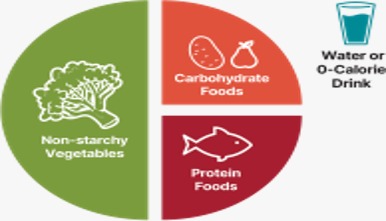
People with diabetes should aim for consistent, portion-controlled meals that avoid spikes in blood sugar. The goal is to balance carbs, proteins, and fats while choosing nutrient-dense foods.
Recommended dietary changes include:
Focus on vegetables, fruits, whole grains, lean protein, and healthy fats.
Cut down on sugary drinks, candies, and desserts.
Especially for carbohydrate-rich foods like rice, bread, and pasta.
Beans, lentils, quinoa, oats, and non-starchy vegetables help slow sugar absorption.
Found in fried foods, baked goods, and processed snacks — these raise cholesterol.
Helps lower blood pressure and protect heart health.
The glycemic index (GI) is a ranking system for carbohydrates that shows how quickly they raise blood sugar levels after eating. Foods are scored on a scale of 0 to 100:
Slow, steady rise in blood sugar
Moderate rise
Quick spike in blood sugar
| Instead of this high-glycemic index food | Eat this lower-glycemic index food |
|---|---|
| White rice | Brown rice or converted rice |
| Instant oatmeal | Steel-cut oats |
| Cornflakes | Bran flakes |
| Baked potato | Pasta, bulgur |
| White bread | Whole-grain bread |
| Corn | Peas or leafy greens |
Regular physical activity improves insulin sensitivity and helps lower blood glucose levels.
Keeping a healthy Body Mass Index (BMI) plays a major role in controlling diabetes:
Chronic stress raises cortisol and adrenaline, which can increase blood sugar levels.
Diabetes isn’t just about managing blood sugar—it’s about preventing long-term complications and living your best life. Let’s dive into how you can stay ahead and protect your health for the future.
Yes. High blood sugar can damage the small blood vessels at the back of the eyes, leading to vision loss.
It’s recommended to have a comprehensive dilated eye exam at least once a year to detect early signs of diabetic eye disease.
Over time, high blood sugar can damage blood vessels and nerves that control the heart. People with diabetes are at higher risk for developing conditions such as high cholesterol and the buildup of fatty deposits in the arteries, both of which increase the risk for heart disease.
Symptoms can include chest pain, shortness of breath, fatigue, and swelling in the legs. However, some people may have no symptoms, making regular check-ups important.
Diabetes can reduce blood flow and damage nerves, making wounds more likely to get infected and harder to heal, increasing the risk of amputation.
Inspect your feet daily, keep them clean and moisturized, trim toenails, wear proper footwear, and consult a healthcare provider for any concerns.
Look out for redness, swelling, warmth, pain, or discharge from a wound, and seek medical attention promptly if these occur.
Diabetic neuropathy is nerve damage caused by high blood sugar, leading to symptoms like tingling, numbness, pain, or weakness, especially in the hands and feet.
This is often due to peripheral neuropathy, a common type of nerve damage in diabetes, affecting the extremities.
High blood sugar can damage the kidneys’ filtering system, leading to chronic kidney disease or kidney failure over time.
Regular urine tests for protein (albumin) and blood tests for kidney function (e.g., creatinine) can detect early signs of kidney damage.
How can I prevent diabetes-related complications?
Manage your ABCs:
Keep your blood sugar levels within target range.
Aim for readings below 140/90 mm Hg.
Maintain healthy cholesterol levels.
Quit smoking or don’t start.
Keeping your A1C levels within the target range reduces the risk of complications like heart disease, kidney disease, and nerve damage.
High blood pressure and cholesterol can exacerbate the risk of heart disease and stroke in people with diabetes. Managing these factors is crucial for overall health.
Regular check-ups, a healthy lifestyle, and adherence to your treatment plan are essential for preventing complications and living well with diabetes.